Recycling and Sustainability with Man With Van Canary Wharf
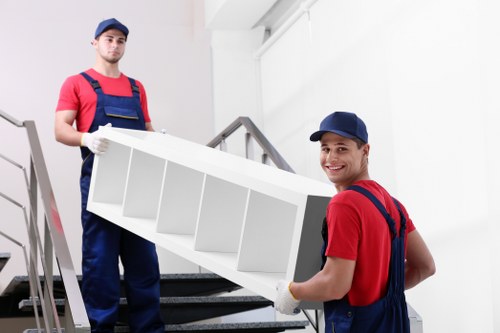 At Man With Van Canary Wharf, sustainability is built into the way we move, collect, and handle items for homes and businesses across East London. Canary Wharf is a fast-moving district with a high volume of office relocations, residential clearances, and deliveries, so responsible waste handling matters. Our approach to recycling in Canary Wharf focuses on reducing landfill, improving material recovery, and choosing lower-impact transport wherever possible. We aim for a 75% recycling and reuse target across suitable collected materials, measured through careful sorting, reuse routing, and transfer to appropriate local facilities.
We also recognise that the wider Docklands area includes a mix of boroughs and waste rules, so our recycling processes are designed to respect local separation practices. In nearby areas, waste is often sorted into streams such as dry mixed recycling, food waste, garden waste, metals, cardboard, and residual rubbish. By following these borough-led expectations, our Canary Wharf man with van service helps ensure more items are sent to the correct recovery route from the start.
For items that cannot be reused, we prioritise transport to approved local transfer stations and materials recovery points rather than default disposal. This helps keep items moving through an efficient chain of sorting, compaction, and recovery. Our goal is simple: make sure that the Man With Van Canary Wharf recycling service contributes to a cleaner local environment while supporting the borough’s wider sustainability goals.
 Local transfer stations play a central role in this process. Depending on the material and collection type, suitable loads may be directed to transfer and sorting facilities serving Tower Hamlets, Newham, or nearby borough networks. These sites help separate mixed loads into recoverable categories such as wood, metal, cardboard, plastics, and electrical components. By using transfer stations strategically, Canary Wharf recycling and disposal jobs can be processed more effectively, with a higher chance of material reuse.
We also place a strong emphasis on donations and reuse partnerships. Many items collected during clearances are still in good condition and can be redirected away from waste streams. Through partnerships with local charities, community groups, and reuse organisations, furniture, office equipment, books, and household items may be given a second life. This includes common relocation surplus such as desks, shelving, chairs, storage units, and small appliances that meet safety and condition standards.
 This reuse-first approach supports both social value and waste reduction. It is particularly relevant in Canary Wharf, where office refurbishments and apartment moves often generate usable items that no longer fit a new layout but remain perfectly functional. By giving those items a new destination, recycling and sustainability in Canary Wharf becomes more than a disposal process; it becomes a practical circular-economy service.
Our commitment to lower emissions also extends to transport. We operate low-carbon vans designed to reduce fuel consumption and cut air pollution during local journeys. Efficient route planning, consolidated collections, and careful loading all help lower the environmental footprint of each move. For a dense business area like Canary Wharf, where traffic and idling can quickly increase emissions, using more efficient vehicles makes a meaningful difference.
We also assess jobs to choose the right vehicle size, which helps avoid unnecessary trips. A smaller load does not need a larger van, and a well-planned collection can often combine multiple pickups in one route. This helps improve fuel efficiency while supporting a more responsible Man With Van Canary Wharf sustainability model. In addition, we encourage clients to separate recyclables in advance where possible, especially cardboard, plastic wrapping, office paper, and metal fixtures, so collections can be handled with better recovery outcomes.
In mixed-use neighbourhoods around the Wharf, waste separation is becoming more detailed, with boroughs increasingly encouraging residents and businesses to keep recyclable materials clean and sorted. That includes separating paper from general rubbish, flattening cardboard, and keeping food waste out of dry recycling. We align our operations with these practical habits, helping collections remain compatible with the local waste infrastructure and reducing contamination that can send recyclable loads to landfill.
 Our sustainability work also covers special item streams commonly encountered in office and home moves. Electrical items, cables, monitors, filing materials, and metal fittings can often be separated for specialist handling. Where appropriate, we route these through approved recovery channels so that valuable materials can be extracted and reused. This careful sorting supports the wider recycling Canary Wharf effort and helps businesses meet internal environmental targets.
Packaging reduction is another area where we take action. We encourage reusing boxes, crates, and protective wrapping when items are being moved rather than discarding them after a single use. When excess packaging does need to be removed, we separate cardboard, film plastic, and other recyclable materials wherever the load allows. These small operational choices can have a significant combined impact across the many removals and clearances carried out in the district.
Because Canary Wharf is a busy commercial hub, sustainability expectations are high. Buildings, landlords, and occupiers often look for services that reflect their own environmental standards. Our recycling and sustainability practices are designed to support that ambition, offering a Canary Wharf man with van solution that respects both operational efficiency and local environmental responsibility.
 In the last stage of any collection, we focus on accountability and traceability. Materials suitable for reuse are separated first, then recyclable fractions are directed to the most appropriate facility, and only unavoidable residue is treated as general waste. This order of operations helps improve the overall recycling percentage and keeps sustainability at the centre of our service. For customers seeking a greener move or clearance, Man With Van Canary Wharf provides a practical balance of convenience, reuse, and responsible disposal.
Looking ahead, we continue to strengthen our recycling percentage target, expand charity partnerships, and improve route efficiency through low-carbon vans and smarter scheduling. As the area continues to grow, so does the need for waste handling that supports both local infrastructure and long-term environmental goals. With careful sorting, local transfer station use, and a reuse-led mindset, our Man With Van Canary Wharf recycling service helps make every move a little more sustainable.